The Conversation US haberine göre ‘Hello, just circling back!’ Not responding to emails is common across higher education but bad for morale.
Pusulam anlatımı
The Conversation US haberine göre ‘Hello, just circling back!’ Not responding to emails is common across higher education but bad for morale. No one likes sending an email and never receiving a response, but it's not uncommon. Lightcome/iStock/Getty Images Plus As a challenging academic year drew to a close in May 2026, I sent an email to 12 administrators at the college where I teach, thanking them for their work during the year.
Bu gelişme, benzer çalışmaların etkisini ve toplum için yaratabileceği faydayı takip etmeye değer kılıyor.
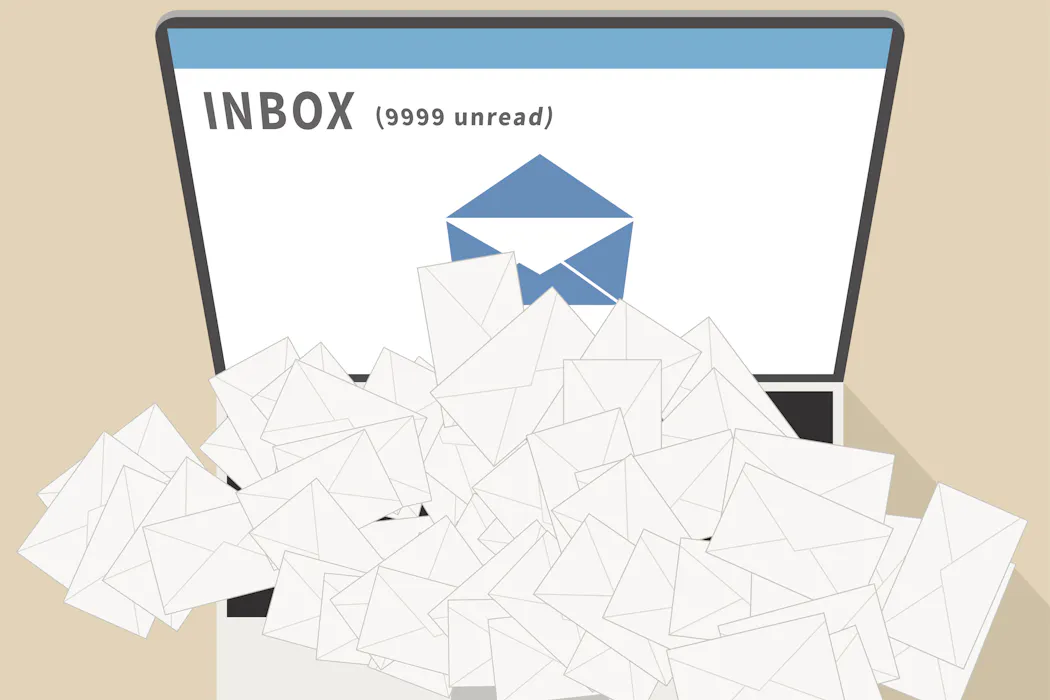
No one likes sending an email and never receiving a response, but it's not uncommon. Lightcome/iStock/Getty Images Plus As a challenging academic year drew to a close in May 2026, I sent an email to 12 administrators at the college where I teach, thanking them for their work during the year. Several years ago, when I served as part of the administration, I would have taken special note of such an email. So, I was a bit taken aback when only a few of those to whom I sent it bothered to acknowledge it. Around the same time, I emailed a group of 10 colleagues with whom I had been meeting throughout the semester, inviting them to join me in planning fall events. Two responded. Crickets from the…
Neden iyi haber?
Haber, somut bir ilerleme, koruma, keşif veya toplumsal fayda sinyali taşıyor.
Neden önemli?
Bu gelişme, benzer çalışmaların etkisini ve toplum için yaratabileceği faydayı takip etmeye değer kılıyor.
Uygulama içinde oku
Tam metin
No one likes sending an email and never receiving a response, but it's not uncommon. Lightcome/iStock/Getty Images Plus As a challenging academic year drew to a close in May 2026, I sent an email to 12 administrators at the college where I teach, thanking them for their work during the year. Several years ago, when I served as part of the administration, I would have taken special note of such an email.
So, I was a bit taken aback when only a few of those to whom I sent it bothered to acknowledge it. Around the same time, I emailed a group of 10 colleagues with whom I had been meeting throughout the semester, inviting them to join me in planning fall events. Two responded.
Crickets from the other eight. Shocking? No.
Email is now the default mode of communication in colleges and universities, as well as across most workplaces and other areas of life. Unanswered emails have become as regular a feature of academic life . There may be good reasons not to acknowledge or respond to an email, such as simply not seeing an email that went into a spam folder.
But research shows that not responding to emails can have negative consequences on senders and on the broader college campus climate. Unanswered emails can make people feel ignored or disrespected, or jump to worrying or envisioning worst-case scenarios, such as being on the brink of getting laid off or fired. Waiting for a response For students now entering college, email may seem slow, clunky and old-fashioned, especially compared to texting, which allows for brevity and informality.
And students may not understand traditional email etiquette. Many faculty take time to talk about email with students or include a list of email do’s and don’ts in their course syllabus. This includes reminders to use standard grammar and be more formal than they would be in a text.
Several colleges and universities have websites dedicated to helping students navigate email communication on their campus. ” In my experience, students often do not respond at all, let alone in a timely manner. But I have seen that they still often expect their professors to respond quickly when they initiate an email exchange.
Some students even judge faculty by the speed of their responses. ” College students who are used to texting or messaging on social media apps might not be used to email and the traditional social etiquette that accompanies using it. Malte Mueller/fStop via Getty Images Not just a student problem Lapses in email etiquette are not limited to exchanges between faculty and students.
” Another survey from 2019 shows that almost two-thirds of respondents said they ignore emails . As I have seen firsthand, faculty and staff are often no better at attending to their inboxes when communicating with one another. As one of the staff members with whom I worked when I was in the college administration once noted, unanswered emails from faculty impeded their work and signaled a lack of respect for them and their work.
For faculty and staff, a new email from a peer may signal a new demand or expectation. Simply not responding is one way to avoid or put off having to deal with what may be an unwelcome request. College and university administrators, meanwhile, are asked every day via email to say yes or no to dozens of requests for all manner of things, not all of which can take immediate priority.
During my own time as a college administrator, I would not leave the office until I had responded to all that day’s email correspondents. It was exhausting and often vexing. And my volume of emails was nothing compared to that of people higher up in the chain of command.
” You also have an “awareness that the missives in your in-box are piling up ever thicker” when you are not focused on your inbox. Anyone who has spent any time on a college campus knows what Newport is talking about. To illustrate the problem of what he calls “digital snubbery” in higher education, professor Adam Grant offers an imagining of a face-to-face interaction on a college campus.
“‘I’m really sorry I didn’t say hi, make eye contact, or acknowledge your presence in any way when you waved to me in the hallway the other day. It’s nothing personal. I just have too many people trying to greet me these days, and I can’t respond to everyone,’” he wrote.
” Grant asks. “You would never snub a colleague trying to strike up a conversation. ” A task universities can manage With all the problems plaguing higher education, including schools losing funding to closing altogether, unanswered emails hardly seem the most important.
But while many problems in higher education can’t be solved by colleges themselves, they have it in their power to tackle this one. As the new academic year begins, I think colleges and universities could focus on eliminating unnecessary emails and, just as they do with students, they can make answering emails part of their culture. Not much is required.
A simple “Thanks” or “I’ll get back to you in a few days” usually does the job. It shows respect for the sender and contributes to a culture in which no one is left to wonder whether they are not important enough to merit a reply . Austin Sarat does not work for, consult, own shares in or receive funding from any company or organization that would benefit from this article, and has disclosed no relevant affiliations beyond their academic appointment.
Bu gelişme sence olumlu etki yaratır mı?
Pusulam AI
Bu haberle konuş
Haberi özetletebilir, neden önemli olduğunu sorabilir veya eksik bağlamı isteyebilirsin.
Kaynak
Bu haberin tam metnini lisans/yeniden yayınlama koşulları uygun olduğu için uygulamada da gösteriyoruz. Orijinal kaynak her zaman aşağıda.
Kaynakta oku →